

Craig Petronella
Craig Petronella is a cybersecurity executive, digital forensic examiner, and entrepreneur with over 30 years of experience in IT, cybersecurity, compliance, AI, blockchain, and digital forensics. Founder and CEO of Petronella Technology Group, Inc. - an internationally trusted MSSP and RPO.
 BBB A+ Since 2003
|
Founded 2002
|
30+ Years Experience
|
Amazon #1 Best-Selling Author
BBB A+ Since 2003
|
Founded 2002
|
30+ Years Experience
|
Amazon #1 Best-Selling Author
CMMC-RP • CCNA • CWNE • Licensed Digital Forensic Examiner • MIT Certified • CompTIA Security+ • Expert Witness
30+ Years Protecting Businesses and Advancing Cybersecurity
Craig Petronella is the Founder and CEO of Petronella Technology Group, Inc. (Petronella Technology Group), an internationally trusted managed security services provider (MSSP) and registered provider organization (RPO). He founded Petronella in 2002 and grew it from a one-person IT consultancy into a full-service cybersecurity, compliance, AI, and digital forensics firm.
Craig is an Amazon #1 Best-Selling Author of 16 books on cybersecurity, AI, HIPAA, and compliance. He is a Cyber AB Registered Practitioner (CMMC-RP) and Licensed Digital Forensic Examiner (DFE #604180) who serves as an expert witness for law firms on cryptocurrency fraud, SIM swap, ransomware, and cybercrime matters. Petronella Technology Group is a Cyber AB Registered Provider Organization (RPO #1449).
He is an MIT Certified Professional in AI, Blockchain, Cybersecurity and Compliance. He has served as Contributing Editor for Cybersecurity at NC Triangle Attorney at Law Magazine for 5+ years and is a regular guest lecturer at NCCU School of Law. Craig has been featured as a cybersecurity expert on CBS, ABC, NBC, FOX, WRAL, and Time Warner Cable News.
Under Craig's leadership, Petronella has maintained BBB A+ accreditation for 20+ consecutive years (since March 7, 2003), conducted onsite risk assessments for 500+ medical practices, hospitals, and business associates across the United States, and built a proprietary 39-layer cybersecurity stack covering People, Processes, and Technology.
Why Craig Founded Petronella Technology Group
Craig started Petronella Technology Group, Inc. in Raleigh in 2002 out of a belief that small and mid-sized regulated companies deserved the same caliber of security expertise that Fortune 500 firms take for granted, delivered at a price point they can actually afford. For more than two decades he has focused on the place where cybersecurity, digital forensics, and practical engineering meet business risk.
Today the firm operates from its headquarters at 5540 Centerview Drive in Raleigh, North Carolina, and supports clients across healthcare, defense contracting, legal, financial services, engineering, and real estate. Petronella Technology Group is a verified Cyber AB Registered Provider Organization (RPO #1449).
Craig's personal focus is a combination of three things: leading the firm's CMMC compliance practice, personally handling the most sensitive digital forensics engagements (SIM swap, cryptocurrency theft, ransomware, and business email compromise), and designing the private AI infrastructure that lets the firm deliver services at a scale a traditional managed services provider cannot match.
He is the architect behind the Petronella private AI cluster, and dozens of AI agents work alongside the team every day on behalf of clients. Rather than piping sensitive client data through a public AI service, the firm runs models on dedicated infrastructure it controls, which aligns with how CMMC, DFARS, and HIPAA treat data sovereignty.
The firm's physical presence is in Raleigh, and much of the day-to-day work happens in the Triangle and across North Carolina. CMMC work is national by nature because the Defense Industrial Base supply chain is national, and forensics work follows the money and the wire transfers, not state lines.
Verified Expertise Across Cybersecurity, Forensics & AI
Cyber AB Registered Practitioner (CMMC-RP)
The Cyber AB. Authorized to guide Defense Industrial Base contractors through CMMC readiness and implementation.
Cyber AB Registered Provider Organization (RPO #1449)
Cyber AB Member Listing: RPO-1449. Certified to guide organizations through CMMC 2.0 compliance.
Licensed Digital Forensic Examiner
State of North Carolina. Qualified to conduct legally admissible digital forensic examinations.
MIT Certified Professional
MIT Professional Education - AI, Blockchain, Cybersecurity and Compliance. Also completed AI and Machine Learning program.
CompTIA Security+
CompTIA - Foundational cybersecurity certification covering information security principles.
CCNA (Cisco Certified Network Associate)
Cisco - Network infrastructure design, implementation, and security.
CWNE (Certified Wireless Network Expert)
CWNP - The highest-level enterprise wireless certification: wireless design, security, analysis, and troubleshooting.
Microsoft Certifications
Microsoft Certified Networking Specialist (MCNS) and Microsoft Cloud Essentials.
NC State University
College of Management, 1998–2002. Business and technology foundation.
Additional certifications: Hubbell Certified, Belden Certified, Proxim Certified - Certified through all seven layers of the OSI model, from network cabling through to the cloud.
Forensic Investigations & Expert Testimony
Craig works with attorneys as a digital forensics expert on SIM swap and cryptocurrency matters, including cases involving major U.S. cryptocurrency exchanges and telecommunications companies. Listed on Forensic Resources since February 2024. Cyber AB Registration: RPO #1449.
Expert Witness Specializations
- Cryptocurrency Fraud & Tracing - SIM swap cases involving major U.S. crypto exchanges and telecommunications companies; hidden cryptocurrency in divorce, bankruptcy, and civil cases
- Ransomware Investigations - Kill chain analysis, incident response forensics, ransom negotiation evidence
- Business Email Compromise (BEC) - Wire transfer fraud, account takeover investigations
- Data Breach & Exfiltration Forensics - Evidence preservation, chain of custody, forensic imaging
- HIPAA Violation Investigations - Healthcare data breach forensics, compliance gap analysis
- Blockchain & Cryptocurrency Analysis - Transaction tracing, wallet identification, exchange subpoena support
- Endpoint & Network Security Analysis - Malware analysis, log correlation, intrusion timeline reconstruction
- Regulatory Compliance Expert Testimony - CMMC, NIST 800-171/172/173, HIPAA, FTC, ADA, SOC 2 Type II
Engagements Craig Personally Handles
Craig personally handles a narrow, carefully chosen set of engagements: CMMC readiness for defense and defense-adjacent contractors, private AI infrastructure for regulated businesses, and a specific class of digital forensics centered on wire fraud, cryptocurrency theft, and account compromise.
CMMC Compliance Consulting
End-to-end CMMC Level 1 and Level 2 readiness: gap assessment, SSP authoring, POA&M construction, control implementation, and pre-assessment rehearsal for contractors pursuing certification.
Private AI for Regulated Businesses
Architecting and operating on-premises or dedicated-tenant AI clusters so sensitive data never leaves the client's control, aligned with CMMC, DFARS, and HIPAA data-handling requirements.
SIM Swap Recovery
Incident response and carrier-level evidence pursuit for SIM swap victims, with chain-of-custody documentation suitable for civil recovery and criminal referral.
Cryptocurrency Forensics
Blockchain tracing, exchange subpoena support, wallet cluster analysis, and recovery strategy for cryptocurrency theft. Long-form coverage on the crypto forensics page.
Pig Butchering Scam Recovery
Response to long-con romance and investment fraud: evidence packaging, financial institution engagement, and coordination with federal victim-support channels.
Business Email Compromise (BEC)
Post-incident mailbox forensics, wire fraud tracing, and rapid containment of compromised Microsoft 365 and Google Workspace tenants.
Ransomware Response
Decision support on negotiation strategy, forensics-preserving eradication, and post-incident hardening. See ransomware recovery.
Network Forensics
Packet-level and log-based reconstruction of intrusion events. Full depth on the network forensics page, including capture methodology and chain of custody.
The common thread across these specialties is that they are the matters where a wrong step early on causes permanent damage. Digital evidence gets overwritten, cryptocurrency moves through mixers, attackers escalate to persistence, and insurance and compliance clocks keep running. Craig built the firm's response playbooks around that reality and stays personally involved in the highest-stakes engagements. For needs outside this focused set, Petronella Technology Group works through a network of trusted partners rather than stretching the core team into areas where another specialist delivers better outcomes.
How Craig Advises on CMMC and Forensics
Craig's advisory approach rejects the big-consultancy model of flying in, handing over a thousand-page report, and leaving. Engagements are scoped tightly and structured so the client's own team grows stronger through the work.
On CMMC engagements
CMMC advisory work starts with a conversation about scope. Before any gap assessment begins, Craig and the client agree on enclave boundaries, which assets handle Controlled Unclassified Information, and what "in scope" actually means for the engagement. Most contractors arrive believing their entire network is in scope and have never heard of an enclave. For larger businesses, Craig typically recommends a CUI enclave to shrink the CUI boundary and save on costs; in his experience a well-designed enclave can reduce the covered footprint by 70 to 90 percent.
From there, the firm runs a structured readiness cycle: a gap assessment against the relevant NIST control set, a system security plan drafted collaboratively rather than handed down, a plan of action and milestones that reflects real operational capacity, and hands-on implementation support on the controls most commonly failed during C3PAO assessment. See the CMMC compliance page for depth.
Craig is deliberate about the line between the Registered Practitioner role and the Certified Assessor role. He does readiness, remediation, and rehearsal; he does not assess his own work. When a contractor is ready, the firm hands off cleanly to an independent C3PAO for the formal certification assessment. That separation protects both the client and the integrity of the certification.
On forensics engagements
Forensics work starts with a triage call. For clients who choose paid emergency forensics service, work typically begins within an hour of first contact; routine inquiries are booked for the next business day. The first decision is not technical; it is whether to involve law enforcement, the insurance carrier, legal counsel, or regulators, and in what order. Making that decision in the wrong sequence can void insurance coverage or compromise a future criminal case, so Craig's first priority on a live incident is getting those stakeholders aligned.
Technical work follows established chain-of-custody practices. Evidence is acquired, hashed, and preserved in forensically sound form before analysis begins, and working copies are created for investigation. Analysis focuses on the questions the client actually needs answered: who got in, what they touched, when they left, what they took, and what is still running. Findings are documented in a format that holds up in front of a judge, an insurance adjuster, or a regulator.
For crypto, SIM swap, and wire-fraud matters, the work extends beyond forensics into recovery strategy: subpoena support for exchanges and carriers, engagement with receiving banks, coordination with federal fraud-reporting channels, and a realistic assessment of recovery probability. The firm's job is to be honest with clients about what is recoverable and what is not, then pursue the recoverable portion aggressively.
Amazon #1 Best-Selling Author - 16 Books
Craig has authored 16 books on cybersecurity, AI, HIPAA, CMMC, and compliance, and co-authored How To Get 100 New Customers in 100 Days Online with Russell Brunson. Every page he reviews on this site follows the editorial policy. His work has reached Amazon #1 Best Seller status in three categories. View all books on Amazon.
-
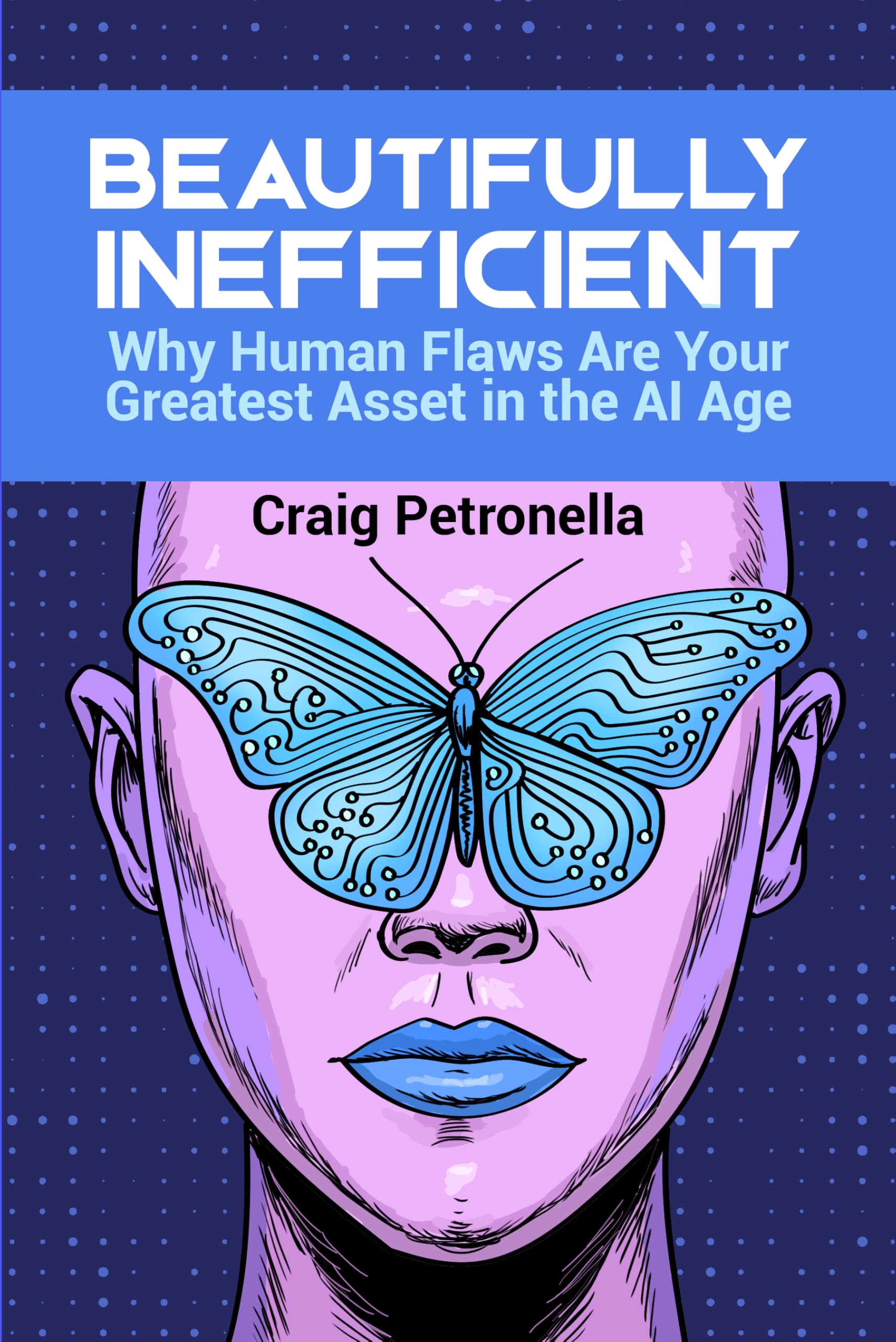 Beautifully Inefficient Why Human Flaws Are Your Greatest Asset in the AI Age (2025)
 -
 The Ultimate Guide To CMMC 2.0 How To Access Millions In Government Contracts (2024)
 -
The Ultimate Guide To CMMC How To Access Millions In Government Contracts (2020)
-
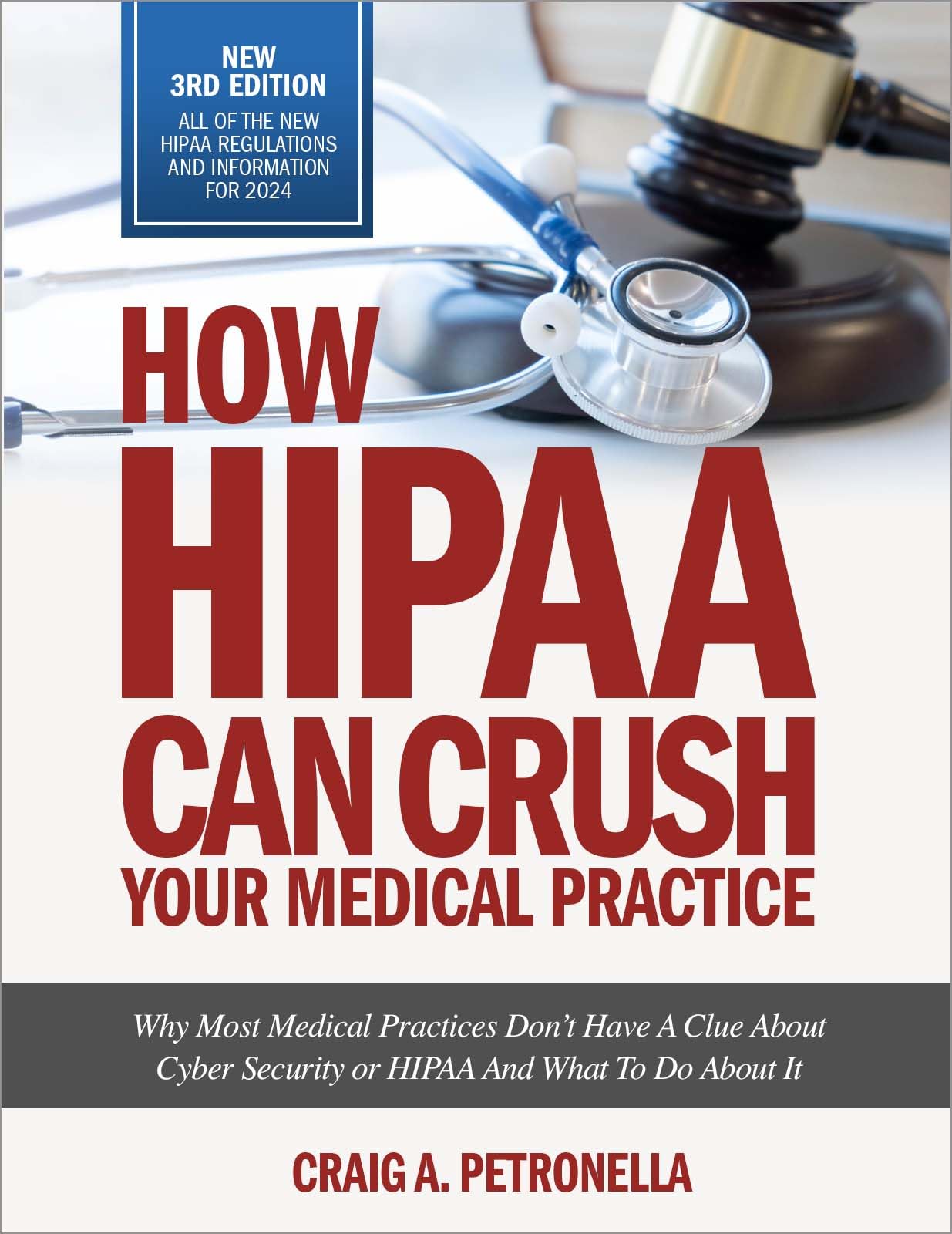 How HIPAA Can Crush Your Medical Practice (2nd Edition) Updated HIPAA rules and regulations for 2019
 -
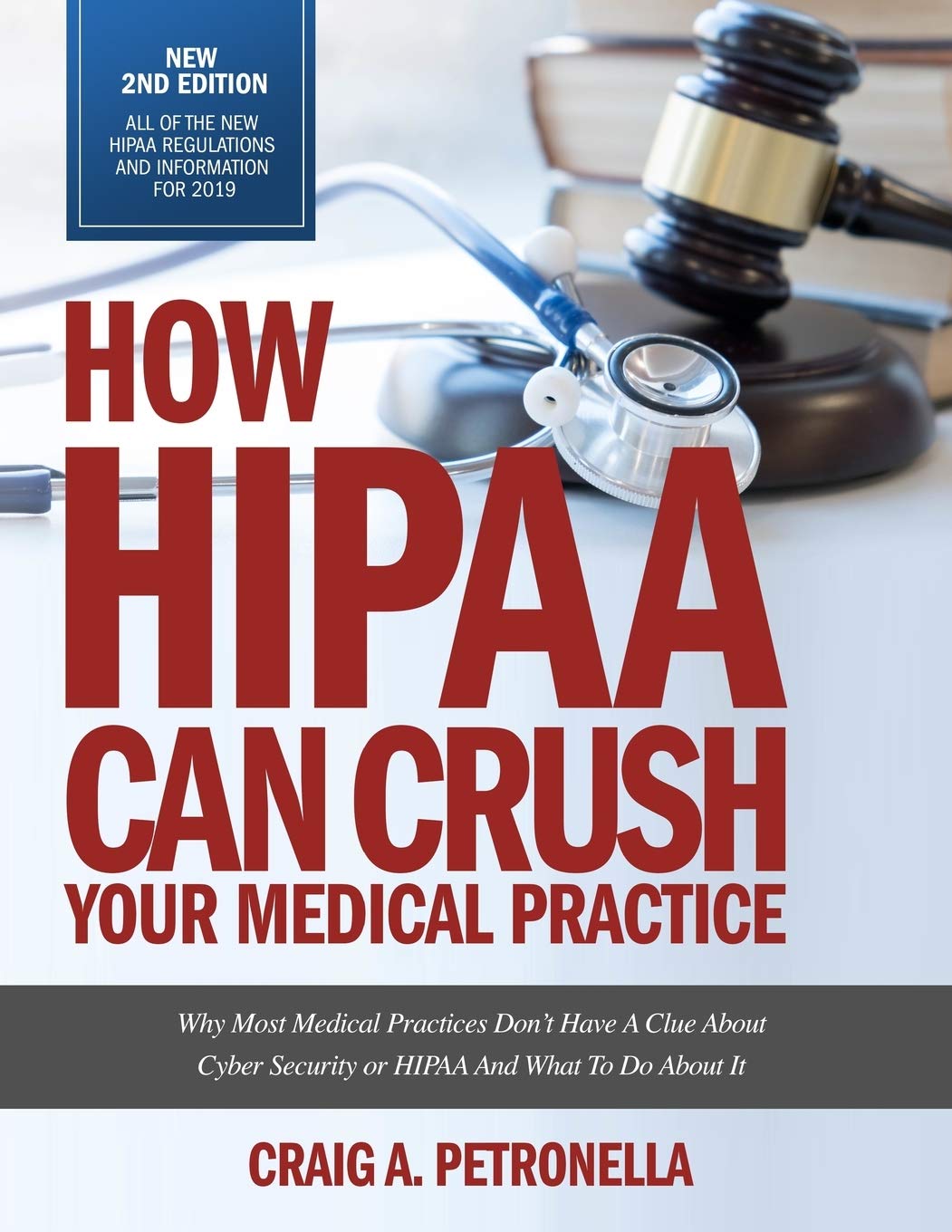 How HIPAA Can Crush Your Medical Practice Cybersecurity and HIPAA compliance for medical practices (2016) - Paperback, Kindle, Audiobook
 -
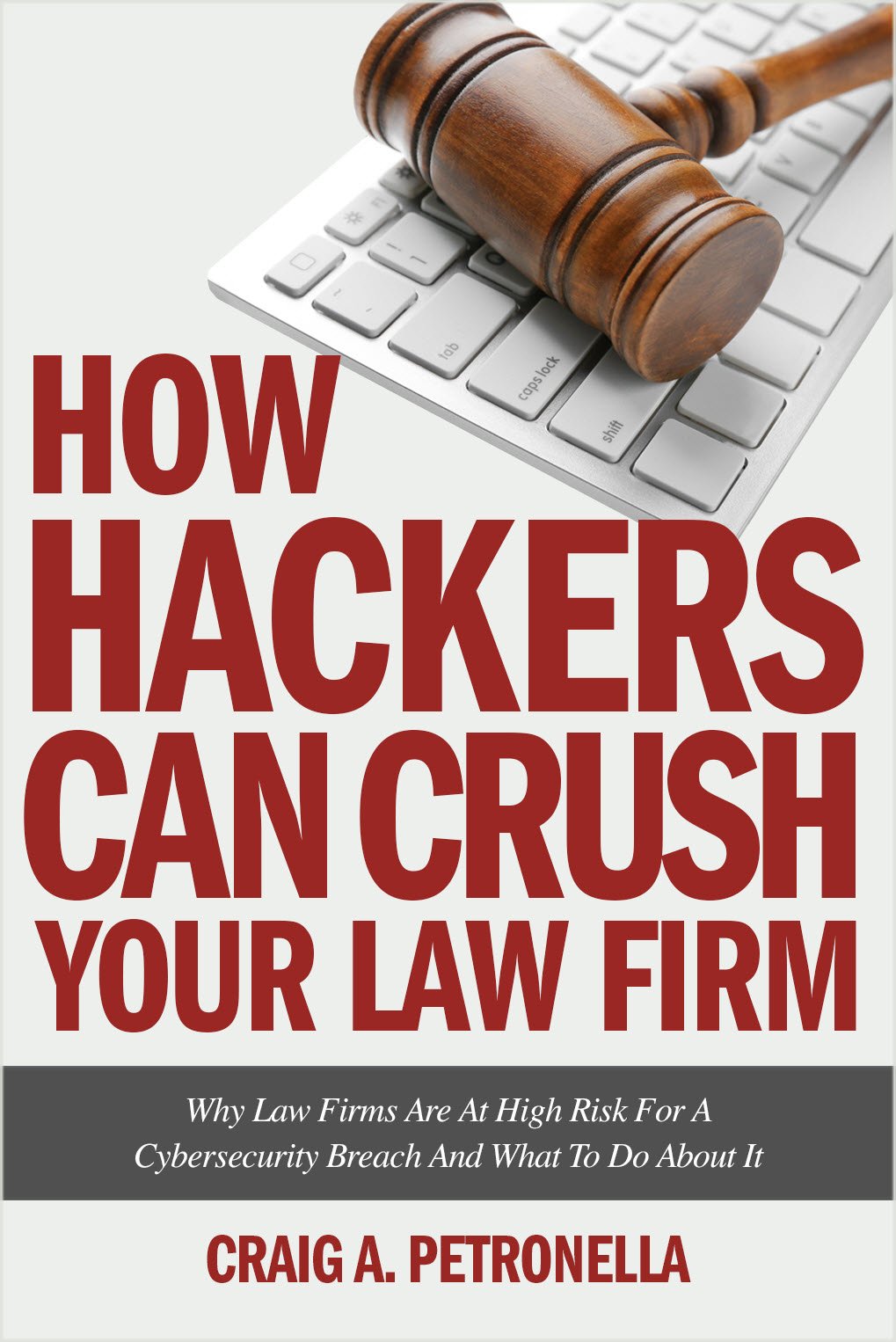 How Hackers Can Crush Your Law Firm Why Law Firms Are At High Risk For A Cybersecurity Breach (2017)
 -
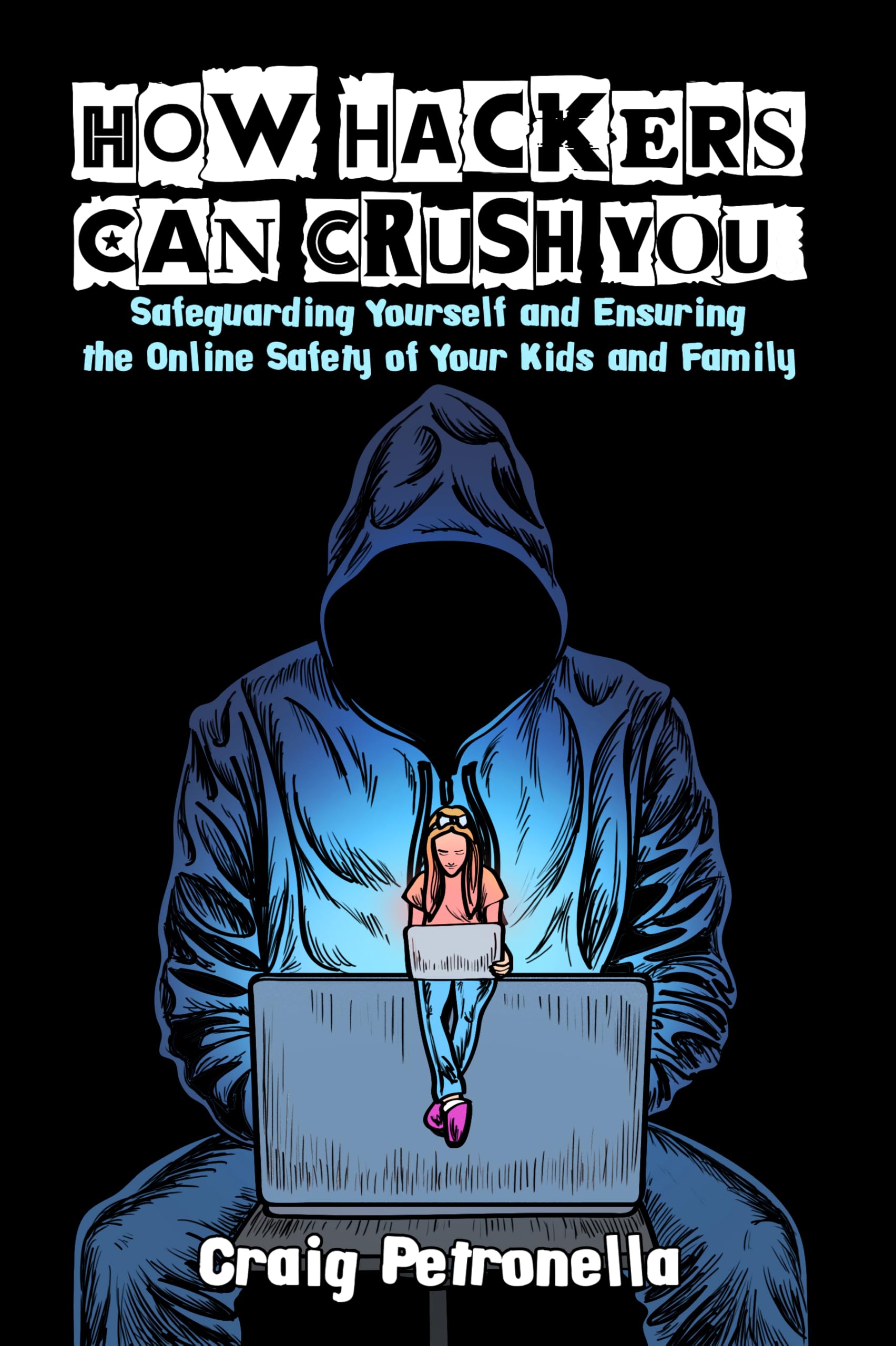 How Hackers Can Crush Your Business Cybersecurity, compliance, laws and risk management solutions (2017)
 -
 Peace of Mind Computer Support Managed IT Security Services, Cloud Computing, Cybersecurity Laws, Risk Management
 -
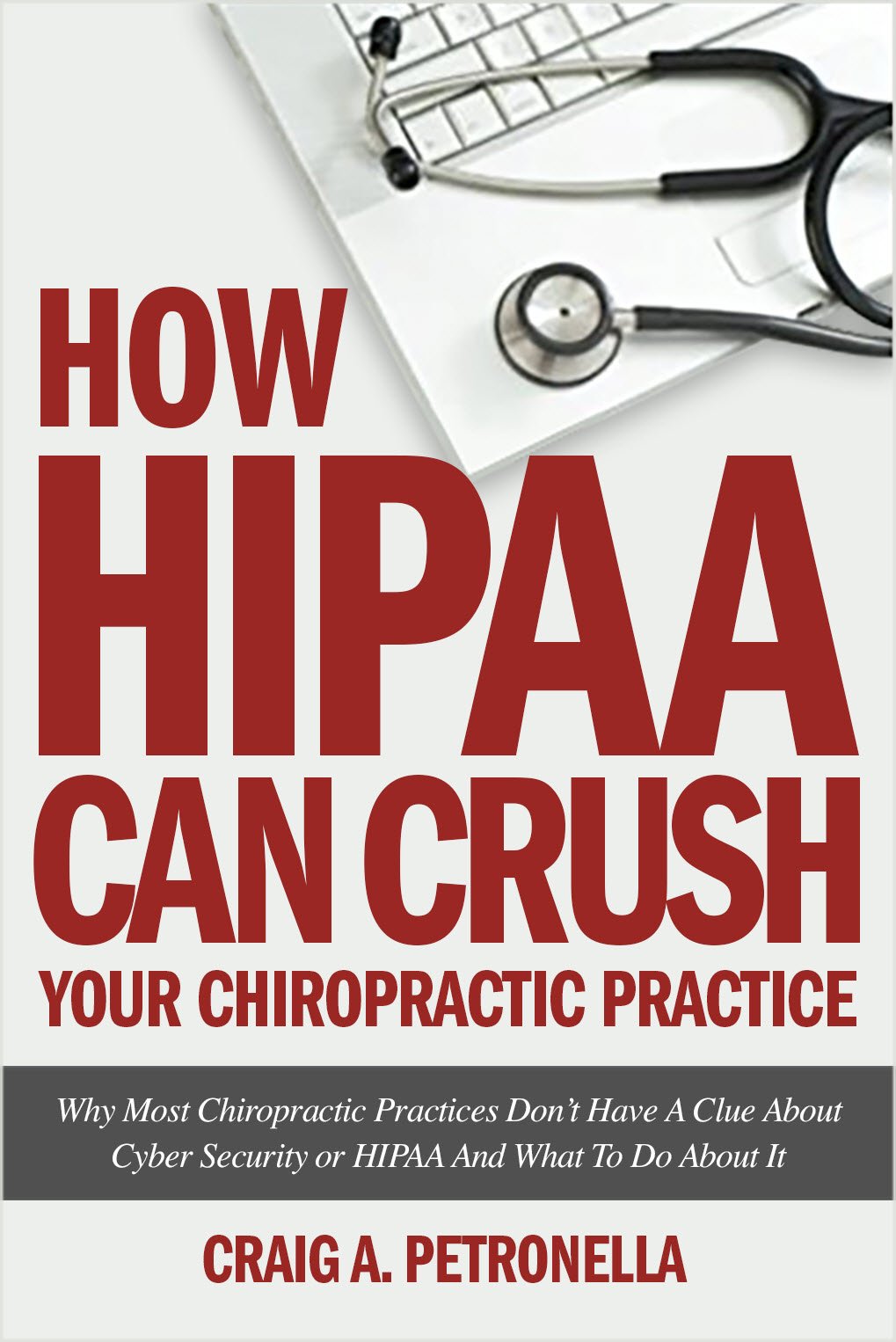 How HIPAA Can Crush Your Chiropractic Practice HIPAA Compliance Kit & Manual For 2017
 -
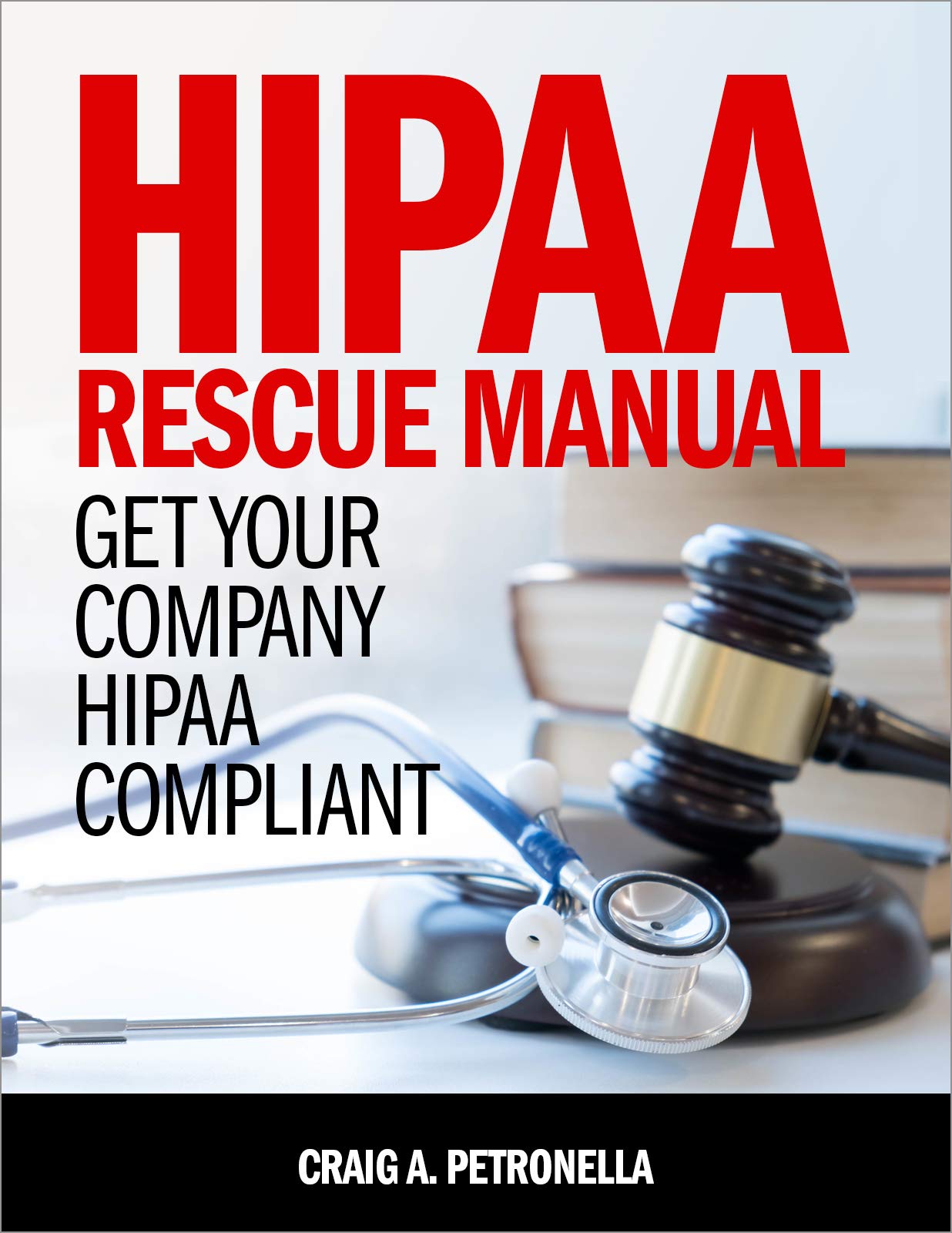 HIPAA Rescue Manual Get Your Medical Practice HIPAA Compliant (2019)
 -
 Encrypted Ambition Where Ambition Meets Encryption: Inside The Minds Of Disruptors (2020)
 -
 IT Buyers Guide What Every Business Owner MUST Know About IT Support Services and Fees
 -
 Cryptolocker Virus: Thieves Are After Your Business Early warning on ransomware threats (2013)
Featured Cybersecurity Expert on National & Local News
Craig has appeared as a recurring cybersecurity expert on CBS 17 (18+ segments), ABC 11, NBC, FOX, WRAL, and Time Warner Cable News. Coverage spans ransomware, data privacy, cryptocurrency scams, cyberbullying, and consumer protection.
CBS 17 Segments (Selected)
- Russia and Cybersecurity: Concerns for Everyday Americans
- Practice Good 'Cyber Hygiene' to Avoid Ransomware Attacks
- NC Among 40 States in $400 Million Google Privacy Settlement
- Facebook May Be Gathering Data Thanks to '10-Year Challenge'
- TikTok Is a Security Risk
- Scam Warning: Text Messages From Your Own Number
- Gone Phishing: The Latest Scams to Hit Amazon
- How Personal Photos Stolen Is Like Identity Theft
Press & Publications
- Contributing Editor, NC Triangle Attorney at Law Magazine (5+ years, 18+ articles)
- Small Business Trendsetters - Amazon #1 Best Seller Feature
- Authority Press Wire - 3 Amazon Best Seller's Lists
- Mission Matters - "On a Mission to Help Companies Become Unhackable"
- Fintech Newscast - Episode 264
- LexBlog - Petronella Cybersecurity and Digital Forensics
- ProVisors Thought Leadership
- Coruzant Technologies Professional Profile
200+ Speaking Engagements Nationwide
Craig delivers keynotes, workshops, executive briefings, and guest lectures across national and international venues. He is a regular guest lecturer at NCCU School of Law. Book Craig for your event.
Keynote Topics
- AI Security & Governance - Data poisoning, model inversion, prompt injection defense, responsible AI adoption, EU AI Act, NIST AI Risk Management Framework
- Ransomware Kill Chain Analysis - Attack anatomy, defense strategies, incident response playbooks
- Digital Forensics Case Studies - Investigation methodology, evidence preservation, chain of custody
- Compliance as Competitive Advantage - CMMC 2.0, HIPAA, SOC 2, NIST frameworks
- CISO Playbook & Program Development - Building security programs for mid-market organizations
- Cryptocurrency & Blockchain Security - Fraud prevention, tracing, regulatory considerations
- Supply Chain Security & Vendor Risk - Third-party risk management, zero-trust architecture
- Incident Response & Breach Investigation - Real-world case studies, forensic techniques
Formats
- 30–60 minute keynote presentations
- 90-minute breakout sessions
- Half-day intensive workshops
- Panel moderation and participation
- Virtual presentations (Zoom/Teams)
- Executive board briefings
- "Lunch and Learn" sessions
Academic Engagement
Guest Lecturer at North Carolina Central University (NCCU) School of Law. Topics include cybersecurity ethics, compliance obligations, and digital forensics for attorneys. Based in Raleigh, NC - available nationally and internationally.
Encrypted Ambition - 95+ Episodes
Where Ambition Meets Encryption: Inside The Minds Of Disruptors. Craig hosts this podcast exploring the vision, grit, and game plans behind today's most disruptive founders and technologists. Topics span cybersecurity threats, compliance, cryptocurrency security, healthcare IT, AI, and digital resilience.
Listen on Your Preferred Platform
Available on Apple Podcasts, Spotify, Amazon Music/Audible, iHeart Radio, YouTube, and all major podcast platforms. Previously titled "Cybersecurity with Craig Petronella - CMMC, NIST, DFARS, HIPAA, GDPR, ISO27001."
How to Work With Craig
Every engagement starts with a conversation, not a quote form. Craig's time is the firm's most constrained resource, so the intake process is designed to get to "are we the right fit" quickly in both directions.
- Call or write. Call (919) 348-4912 or use the contact form. The phone line is answered by Penny, the firm's AI front-desk agent, who routes live emergencies to Craig or a senior engineer immediately, or books a fifteen-minute scoping call.
- Fifteen-minute scoping call. The goal is to understand what you are trying to accomplish, whether Petronella Technology Group is the right firm for it, and what a realistic engagement would look like. If another firm is a better fit, Craig will say so on the call.
- Paid discovery. For engagements that move forward, the first billable step is almost always a paid discovery or readiness assessment. The client gets a documented baseline that is valuable on its own, and the firm can quote the remaining scope against real information rather than guesses.
- Engagement. Full readiness, implementation, incident response, or advisory work, scoped against the discovery findings.
For active incidents, especially ransomware, BEC, SIM swap, or crypto theft, call (919) 348-4912 directly and say "incident" to Penny. Speed of first contact materially affects the recoverable outcome on these matters. For media, speaking, or podcast inquiries, the contact form is preferred; please include the publication, the topic, and the timeline.
Frequently Asked About Craig Petronella
Who is Craig Petronella?
Craig Petronella is the founder and CEO of Petronella Technology Group, Inc., a cybersecurity, digital forensics, and managed IT firm based in Raleigh, NC. With 30+ years of experience in cybersecurity, digital forensics, and AI, he is a licensed Digital Forensic Examiner, a Cyber AB Registered Practitioner (CMMC-RP), and an Amazon #1 Best-Selling Author of 16 books. He has been featured as a cybersecurity expert on ABC, CBS, NBC, and Fox News, and hosts the Encrypted Ambition podcast with 95+ episodes.
What certifications does Craig Petronella hold?
Craig holds CMMC Registered Practitioner (CMMC-RP) status from the Cyber AB, NC Licensed Digital Forensics Examiner (License #604180-DFE), CCNA, CWNE, CompTIA Security+, Hyperledger Certified, and MIT Professional Education certificates in AI, Blockchain, Cybersecurity and Compliance. He specializes in SIM swap fraud, crypto forensics, pig butchering investigations, ransomware response, business email compromise, and network forensics. He is not a licensed private investigator; engagements requiring PI licensure are referred out.
Has Craig Petronella served as an expert witness?
Yes. Craig Petronella works with law firms as a digital forensics expert witness on matters involving cybercrime, intellectual property theft, data breaches, and electronic evidence disputes, and is available to testify in federal and state courts. Petronella Technology Group, Inc. maintains a cryptocurrency forensics lab and an AI lab, and follows chain-of-custody procedures for legally defensible evidence handling.
How does Craig's team handle mobile phone forensics?
Mobile-device forensics is performed through a specialist partner that holds Cellebrite and EnCase licenses; Petronella Technology Group, Inc. does not hold those licenses itself and coordinates the engagement.
Is Craig a licensed private investigator?
No. Petronella Technology Group is a cybersecurity and digital forensics consultancy, not a private investigation firm. Engagements requiring surveillance, subject interviews, or other traditional PI work are referred to licensed partners.
Does Craig work with clients outside North Carolina?
Yes. While the firm is headquartered in Raleigh and serves the broader Triangle region in depth, CMMC, forensics, and private AI engagements regularly cross state lines. Defense-adjacent work especially tends to be national by nature.
What is the fastest way to reach Craig in a live incident?
Call (919) 348-4912 and say "incident" to Penny, the firm's front-desk voice agent. Live incidents are escalated immediately to Craig or a senior engineer; routine inquiries are booked onto the calendar for the next business day.
How can I schedule a consultation with Craig Petronella's team?
You can schedule a free consultation by calling (919) 348-4912, emailing support@petronellatech.com, or using the online scheduling tool on our website. Consultations cover cybersecurity assessments, compliance readiness reviews, managed IT evaluations, and digital forensics inquiries. Petronella Technology Group has served businesses since 2002 and is BBB A+ rated since 2003.
Schedule a Consultation with Craig Petronella's Team
Whether you need cybersecurity leadership, digital forensics, expert witness services, compliance guidance, or an AI implementation strategy, Petronella Technology Group is ready to help. 30+ years of experience.
5540 Centerview Dr., Suite 200, Raleigh, NC 27606 • craig@petronellatech.com